1. Introduction to Citizenship
Citizenship is both a legal identity and a social responsibility. It connects a person to a country and gives them rights, duties, and a sense of belonging to society.
Being a good citizen means not only enjoying rights but also respecting others, helping people in need, standing against unfair treatment, and ensuring that everyone feels included.
Who is a citizen?
A citizen is a person who legally belongs to a country and is a member of its political community. Citizens can participate in the decision-making processes of their country.
In a democracy, citizenship provides rights such as voting, freedom of speech, and the ability to live and work safely. At the same time, citizens have responsibilities such as obeying laws, paying taxes, respecting others, and helping keep society safe.
Citizenship as a legal identity and social responsibility
- Legal identity: Citizenship formally connects a person to their country and establishes their legal membership.
- Social responsibility: Citizenship encourages people to care for others, respect shared values, fulfil their duties, and contribute to society.
Citizen and resident
A resident is someone who lives in a particular place, whereas a citizen is a person who has formal legal membership in a country.
- Not every resident of a country is a citizen.
- A person can live in a country without being its citizen.
- A citizen can live in another country while retaining citizenship.
Active citizenship
Citizenship involves active participation in society. It includes paying taxes, helping people in need, protecting the environment, questioning unfair practices, and standing up for what is right.
In India, all citizens are equal under the Constitution, despite differences in language, religion, and culture. The Citizenship Act of 1955 and the Citizenship (Amendment) Act of 2019 establish rules relating to acquiring and losing citizenship.
2. Four Important Concepts of Citizenship
The chapter focuses on four important concepts: rights, duties, discrimination, and inclusion.
Rights = Freedoms and entitlements, such as equality, freedom of speech, freedom of religion, and education, that allow people to live with dignity.
Duties = Responsibilities such as obeying laws, paying taxes, keeping the surroundings clean, and helping others.
Discrimination = Unfair treatment of a person or group because of their identity or background.
Inclusion = Ensuring that nobody is excluded because of language, religion, culture, ethnicity, caste, gender, disability, or other differences.
3. Rights
Meaning of rights
Rights are entitlements that people have as human beings and members of society. They help individuals live with dignity, safety, and respect.
Examples include the right to education, the right to earn a living, and the right to express ideas.
Not everything a person wants can be considered a right. Actions that harm oneself or others cannot be justified as rights. True rights support the well-being and dignity of all people. Therefore, rights are justified claims.
Fundamental Rights in the Indian Constitution
Fundamental Rights are basic rights guaranteed by the Indian Constitution. They protect people’s freedom and dignity and help ensure fair treatment.
These rights can be enforced by law. If a person’s Fundamental Rights are violated, they can approach the courts for justice.
The Constitution recognises six broad categories of Fundamental Rights.
| Fundamental Right | Articles |
|---|---|
| Right to Equality | Articles 14–18 |
| Right to Freedom | Articles 19–22 |
| Right against Exploitation | Articles 23–24 |
| Right to Freedom of Religion | Articles 25–28 |
| Cultural and Educational Rights | Articles 29–30 |
| Right to Constitutional Remedies | Article 32 |
Fundamental Rights protect people from unfair treatment by other individuals and from unfair actions by the government. They ensure that people are treated fairly and that power is not misused.
3.1 Right to Equality
The Right to Equality ensures that every person is treated equally before the law and receives equal opportunities in education and employment.
It protects people against discrimination on the grounds of religion, race, caste, gender, and place of birth.
The Right to Equality also:
- Abolishes the practice of untouchability.
- Prevents the government from giving special titles to individuals, except military and academic honours.
- Promotes fairness and equal opportunities for all.
Equality and equity
Equality and equity are related, but they are not exactly the same.
- Equality: Everyone receives the same support.
- Equity: Everyone receives the support they need to ensure fairness.
Providing identical support does not always produce the same benefits because people may face different difficulties or inequalities. Equity recognises these differences and attempts to address them.
The government and civil society organisations take initiatives to promote equity. The Beti Bachao Beti Padhao campaign, for example, aims to build awareness and support girls’ education.
3.2 Right to Freedom
The Right to Freedom allows people to express themselves, move freely, and choose how they wish to live and work.
However, these freedoms are not unlimited. They are subject to reasonable restrictions to prevent their misuse and to protect other people and the nation.
Freedom must therefore be exercised responsibly, without causing harm to others.
3.3 Right to Life
The Right to Life protects a person’s life and liberty. It means that everyone has the right not only to live but also to live with dignity.
It includes access to and protection of important aspects of life, such as:
- Livelihood
- Education
- Health
- A clean environment
- Fair treatment under the law
This right helps ensure that people can live safely, freely, and respectfully.
It also protects children with disabilities by ensuring that they receive the support needed to learn, play, access healthcare, and participate fully in life on an equal basis with others.
3.4 Right against Exploitation
Exploitation means taking unfair advantage of others by denying them basic respect, freedom, or rights.
It can take several forms:
- Bonded labour: Forcing people to work without fair wages or freedom.
- Human trafficking: Trading or selling people for profit.
- Abuse of women and children: Treating them unfairly or harming them.
- Child labour: Making children work instead of attending school, particularly in hazardous conditions.
Children need special protection because they depend on adults for their safety and well-being. They may not fully understand their rights or know how to seek help when they face unfair treatment.
When children are forced to work, they lose opportunities for education, play, and healthy development.
The Right against Exploitation protects people’s dignity and safety. It prohibits forcing people to work against their will or under unsafe conditions.
The chapter explains that children below the age of 14 are generally not allowed to be employed, although they may help in non-hazardous family enterprises during vacations or after school hours. It also describes restrictions on children’s work in places such as factories, mines, and restaurants.
Childline 1098 is identified as a helpline for children. The chapter gives an example of a 2015 case in which a call about children being forced to work in a clothes-embroidery factory led to their rescue, medical care, and protection, while the culprits were arrested.
3.5 Right to Freedom of Religion
India is a diverse country where people follow different religions.
The Right to Freedom of Religion allows every person to choose, practise, and share their religion freely. No one should be forced to follow, propagate, or fund a particular religion.
State-run and government-aided schools are not allowed to promote any particular religion. This helps protect India’s religious diversity and ensures that all faiths are treated equally by the state.
3.6 Cultural and Educational Rights
Cultural and Educational Rights protect India’s cultural diversity and promote equal access to education.
These rights allow communities to:
- Preserve their language, script, and traditions.
- Maintain their cultural identity.
- Establish and manage their own schools in the case of religious and linguistic minorities.
No student can be denied admission to a government institution on the grounds of religion, caste, race, or language.
These rights protect minority communities while also supporting equality and non-discrimination. The chapter notes that balancing minority protections with the principle of secularism can sometimes lead to debate.
3.7 Right to Constitutional Remedies
The Right to Constitutional Remedies allows citizens to approach the Supreme Court when their Fundamental Rights are violated.
It ensures that Fundamental Rights are not merely promises written in the Constitution but can actually be protected and enforced.
Dr. B. R. Ambedkar described this right as the soul and heart of the Constitution because it provides a way to protect the other Fundamental Rights.
Without an effective remedy, rights could be violated without people having a proper means of seeking justice.
4. Important Constitutional Articles Related to Rights
The chapter identifies the following articles of the Constitution and the protections associated with them.
| Article | Main provision |
|---|---|
| Article 14 | Equality before the law for all persons |
| Article 15 | No discrimination on grounds of religion, race, caste, sex, or place of birth |
| Article 16 | Equal opportunity in public employment |
| Article 17 | Abolition of untouchability |
| Article 18 | End of titles, except military and academic distinctions |
| Article 19 | Freedom of speech, movement, and peaceful assembly |
| Article 21 | Protection of life and personal liberty |
| Article 21A | Free and compulsory education for children aged 6–14 years |
| Articles 23–24 | Ban on human trafficking, forced labour, and child labour |
| Articles 25–28 | Freedom to practise, profess, and manage one’s religion |
| Articles 29–30 | Protection of language, script, cultural rights, and minority institutions |
| Article 32 | Right to approach courts to protect Fundamental Rights |
These constitutional provisions help protect the dignity and equality of citizens.
5. Duties
Meaning of duties
Duties are responsibilities that individuals are expected to fulfil towards their family, community, country, and environment.
The Constitution provides not only rights but also responsibilities known as Fundamental Duties. They remind citizens that enjoying rights should go hand in hand with contributing to society.
Duties include obeying laws, respecting others, protecting nature, keeping public places clean, and helping those in need.
Development of Fundamental Duties in India
- When the Indian Constitution came into effect in 1950, it did not contain Fundamental Duties.
- Fundamental Duties were added in 1976 through a constitutional amendment.
- Initially, 10 duties were included in Article 51A, Part IV-A.
- In 2002, the 11th duty was added, requiring parents or guardians to ensure education for children aged 6–14 years.
Importance of duties
Fundamental Duties help citizens participate actively in maintaining a strong democracy and a healthy society.
They help to:
- Maintain good governance.
- Promote national unity and harmony.
- Protect the natural environment.
- Encourage learning and scientific thinking.
- Preserve cultural heritage.
- Protect public property.
- Promote dignity, responsibility, and respect for others.
When citizens fulfil their duties, they contribute to the progress of the country and help create a peaceful and harmonious society.
5.1 The Eleven Fundamental Duties under Article 51A
1. Respect the Constitution, National Flag, and National Anthem
- Citizens must abide by and respect the Constitution and the national symbols of India.
- Example: Standing respectfully during the National Anthem at the morning assembly.
2. Follow the ideals of the freedom struggle
- Citizens should uphold the ideals that inspired India’s freedom struggle and oppose injustice.
- Example: Speaking up against bullying and unfair treatment.
3. Protect India’s unity, integrity, and sovereignty
- Citizens should preserve the unity and independence of the nation while respecting diversity.
- Example: Encouraging classmates to learn about one another’s languages instead of arguing over differences.
4. Defend the nation and help during emergencies
- Citizens should contribute to national defence and assist people during emergencies.
- Example: NCC cadets rescuing stranded people and distributing food during a flood.
5. Promote harmony and respect women
- Citizens should encourage harmony among people and respect the dignity of women.
- Example: Stopping the teasing of a girl and informing a teacher.
6. Preserve India’s culture and heritage
- Citizens should protect the country’s cultural traditions and historical heritage.
- Example: Preventing someone from writing on the walls of a historical fort.
7. Protect and improve the environment and show compassion towards animals
- Citizens should care for nature, protect the environment, and treat animals compassionately.
- Example: Planting trees and keeping bowls of water for stray dogs during summer.
8. Develop scientific temper and the spirit of inquiry
- Citizens should develop a scientific outlook, ask questions, and seek to understand things through investigation.
- Example: Demonstrating basic water filtering followed by boiling to help a community understand water purification.
9. Protect public property and avoid violence
- Citizens should safeguard public property and avoid violent behaviour.
- Example: Not damaging school benches after losing a football match.
10. Strive for excellence in all activities
- Citizens should work towards excellence in their individual and collective activities.
- Example: Students introducing waste segregation in school and encouraging everyone to follow it.
11. Ensure education for children aged 6–14 years
- Parents or guardians have a duty to provide opportunities for education to children in this age group.
- Example: Encouraging a parent who plans to stop their daughter from attending school to continue her education.
Traditional Indian ideas about duties and rights
The chapter also discusses two ancient Indian concepts related to duties.
- Dharma: Often translated as duty, but it has a wider meaning that includes what is beneficial to people and society.
- Rina (debt): Refers to the debts people owe to deities, ancestors and parents, teachers, fellow human beings, and nature. The idea emphasises connections and responsibilities towards family, society, and the natural world.
The chapter also explains that the ancient term adhikara, often translated as rights, referred to capacity, competence, or authority. Unlike modern constitutional rights, these were not generally guaranteed universally in the same way. The concept of dharma, however, implicitly gave everyone a right to justice, at least in theory.
6. Rights and Duties: Two Sides of the Same Coin
Rights and duties are closely connected. They are not opposites; rather, they complement each other.
- Rights are the freedoms and benefits that people enjoy as citizens.
- Duties are the responsibilities people must fulfil as members of a community.
Rights allow people to live with dignity, while duties remind them to use their freedoms wisely and respectfully.
Difference between rights and duties
| Rights | Duties |
|---|---|
| Provide freedoms and benefits. | Establish responsibilities and obligations. |
| Are protected by law. | Are moral and social responsibilities. |
| If violated, they can be protected through legal remedies. | Failure to fulfil them does not always result in legal action. |
| Help people live with dignity and freedom. | Help protect everyone’s rights and maintain peace and fairness. |
Every right has a corresponding duty
| Right | Corresponding duty |
|---|---|
| Right to be treated with respect | Treat others with respect. |
| Right to express opinions freely | Listen to and respect others’ views, even when disagreeing. |
| Right to education | Respect education and support children’s access to it. |
| Right to live in a clean environment | Keep surroundings clean and protect nature. |
| Right to freedom of religion | Respect the religious beliefs and practices of others. |
A responsible citizen cannot demand respect for their own rights while deliberately disregarding the rights of others.
Rights and duties in everyday life
- If Ravi chooses not to participate in a school protest, his classmates should respect his decision rather than exclude him.
- If Rukmini wears traditional clothing on School Culture Day, other students should respect her cultural identity.
- Children should throw wrappers into dustbins instead of littering the playground.
- Students should be allowed to share ideas about improving school facilities, including through online platforms.
These situations demonstrate that responsible citizenship requires respect, participation, and consideration for others.
7. Discrimination
Meaning of discrimination
Discrimination means treating a person or group unfairly because of their identity, characteristics, or background.
It may occur on the basis of:
- Caste
- Religion
- Ethnicity
- Disability
- Race
- Physical appearance
- Gender
- Sexuality
- Economic background
Discrimination is unethical and legally prohibited. It harms the people who experience it, both psychologically and physically, and negatively affects society as a whole.
Forms of discrimination
Discrimination can occur in different ways. It may be direct and obvious, or indirect and difficult to recognise.
Examples include:
- Refusing to include a classmate in a group project because of their economic background.
- Preventing someone from sitting beside others on a school bus because of their social background.
- Excluding girls from activities because of gender-based assumptions.
- Making fun of someone’s physical appearance.
- Treating someone as inferior because their family cannot afford an educational trip.
Discrimination creates social barriers and prevents people from enjoying their Fundamental Rights fully.
A person who discriminates against others goes against the principles of respect and unity that form the foundation of the Indian Constitution.
Examples of people who challenged discrimination
Savitribai Phule
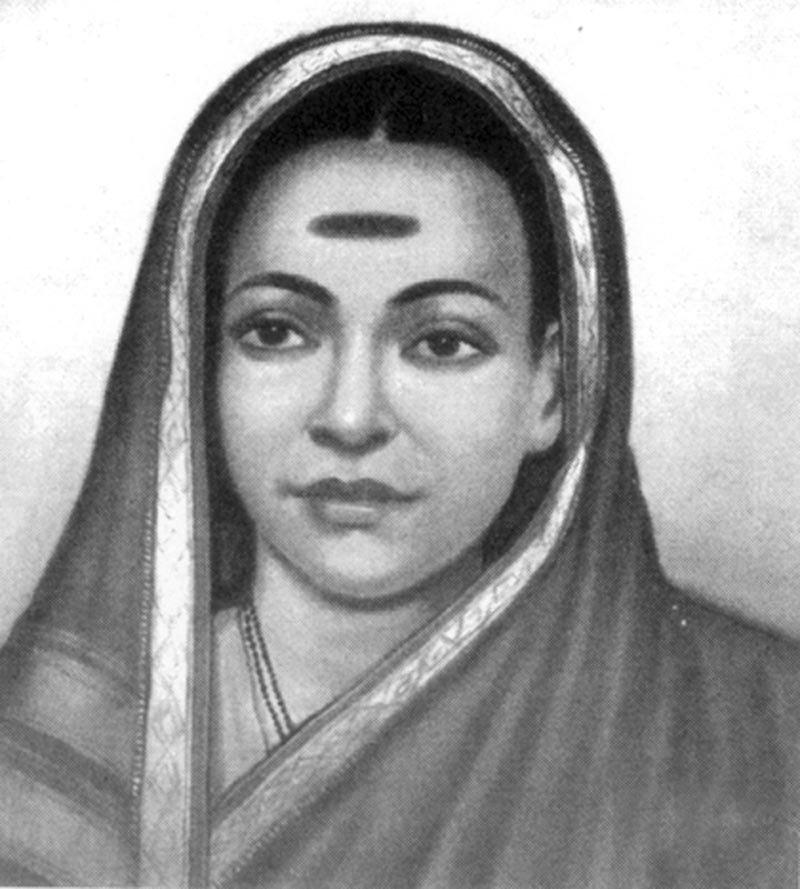
Savitribai Phule established a school for girls in the mid-19th century, when girls’ education was widely discouraged. She faced discrimination because of her caste and her efforts to educate girls. Despite being abused and having mud thrown at her on the way to school, she continued her work.
Along with her husband, Jyotiba Phule, she worked to ensure that girls and children from different backgrounds could access education.
Anandibai Joshi
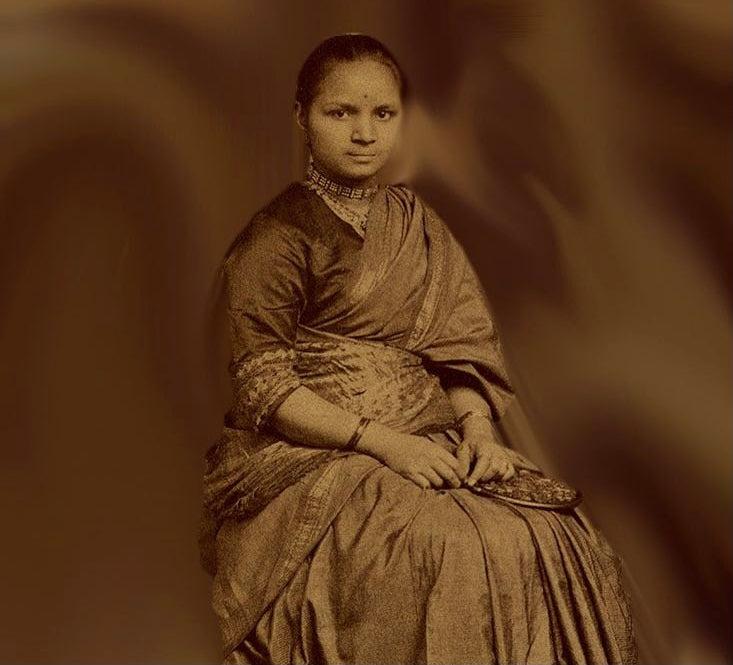
Anandibai Joshi decided to study medicine after her baby died soon after birth due to a lack of medical care. At a time when women faced considerable social barriers, she pursued medical education at the Woman’s Medical College of Pennsylvania.
She faced discrimination and many difficulties but remained determined to achieve her goal of serving mothers and children. She died soon after graduating.
These examples show how determination and commitment can challenge discriminatory practices and create opportunities for others.
Visible and invisible discrimination
Visible discrimination is behaviour that can be directly observed by others. For example, students openly mocking a classmate’s weight and preventing them from joining a football game.
Invisible discrimination is less obvious. It can take the form of indirect remarks, exclusion, or unwillingness to involve someone because of their background, appearance, or perceived intellectual ability.
For example, Mina does not enrol in an educational trip because her family cannot afford it. Some classmates then ignore her and suggest that she is not of their social status.
Invisible discrimination can be difficult to prove and, therefore, difficult to penalise.
Effects of discrimination
Discrimination:
- Hurts people’s feelings and affects their well-being.
- Creates social divisions and barriers.
- Prevents people from participating equally.
- Limits opportunities for education and social participation.
- Undermines equality, respect, and unity.
Discrimination must be challenged so that everyone can enjoy their rights and participate fully in society.
8. Inclusion
Meaning of inclusion
Inclusion means creating an environment in which everyone feels welcomed, respected, valued, and accepted, with equal access to opportunities.
It is particularly important for people and groups who have historically been excluded because of their social or economic backgrounds.
Inclusion goes beyond simply providing reservations or allowing people to enter a place. It requires ensuring that they feel accepted, receive appropriate support, and can participate meaningfully.
Importance of inclusion
Inclusion helps to:
- Ensure equal opportunities for everyone.
- Reduce barriers to participation.
- Promote respect for different languages, cultures, religions, and backgrounds.
- Support people who need additional assistance.
- Build a society in which everyone feels valued and accepted.
Fundamental Rights and Fundamental Duties together support inclusion.
Examples of inclusion
1. Including different languages
A school reading club initially attracts only a few students who are confident in English. The teacher expands the club to include books in the regional language, along with storytelling and puppetry. As a result, children with different levels of language proficiency can participate.
2. Providing accessible facilities
Providing ramps for wheelchair users helps them enter buildings and participate in activities.
3. Supporting students with disabilities
Braille books and appropriate classroom support help children with special needs access education and participate more fully.
4. Welcoming different backgrounds
Schools should welcome students from different castes, religions, cultures, and economic backgrounds without unfair treatment.
5. Supporting different learning needs
If a student takes longer to read or write, classmates can be patient, explain things clearly, and make sure that the student gets an opportunity to speak and participate in group activities.
Inclusion, equality, and equity
- Equality means providing the same support to everyone.
- Equity means providing the support different people need to achieve fairness.
- Inclusion means removing barriers and creating an environment where everyone is accepted and can participate.
These ideas work together. Fair treatment sometimes requires different kinds of support, and that support should enable everyone to participate with dignity.
9. Relationship Between Citizenship, Diversity, and Democracy
Responsible citizenship strengthens democracy by ensuring that people participate in society and respect one another’s rights.
India has people with different languages, religions, cultures, traditions, and backgrounds. These differences should not become reasons for exclusion or unequal treatment.
A strong democracy requires citizens to:
- Respect religious and cultural diversity.
- Speak up against discrimination and unfairness.
- Follow the law and fulfil their duties.
- Listen to different opinions with empathy.
- Protect public property and the environment.
- Help people who face barriers to participation.
- Ensure that everyone has opportunities to contribute to society.
Rights and duties must operate together. If people enjoy their rights but ignore their duties, society may become unfair and disorderly. Similarly, if people are denied their rights, they cannot participate freely and equally.
Inclusion strengthens democracy by enabling more people to take part in discussions, decisions, education, and community activities.
10. Key Terms and Definitions
| Term | Meaning |
|---|---|
| Citizenship | Legal membership of a country combined with social responsibility. |
| Citizen | A person who legally belongs to a country and its political community. |
| Resident | A person who lives in a particular place. |
| Rights | Justified claims that support people’s dignity, safety, freedom, and well-being. |
| Fundamental Rights | Basic constitutional rights that protect freedom and dignity. |
| Fundamental Duties | Responsibilities that citizens are expected to fulfil under the Constitution. |
| Equality | Treating people equally and ensuring equal opportunities. |
| Equity | Providing fair support according to people’s needs and circumstances. |
| Exploitation | Taking unfair advantage of another person. |
| Bonded labour | Labour in which a person is forced to work without proper freedom. |
| Human trafficking | Trading or selling people for profit. |
| Child labour | Employing children in ways prohibited by the protections described in the chapter. |
| Constitutional remedies | Legal means of approaching the courts to protect Fundamental Rights. |
| Discrimination | Unfair treatment based on identity, characteristics, or background. |
| Inclusion | Ensuring that everyone is welcomed, supported, respected, and able to participate. |
| Scientific temper | A scientific outlook that encourages questioning, investigation, and inquiry. |
| Dharma | An ancient Indian concept often translated as duty, with a wider meaning connected to what benefits people and society. |
| Rina | The concept of debts or responsibilities owed to others and to nature. |
| Adhikara | An ancient term associated with capacity, competence, or authority, often translated as rights. |

Leave a Reply