
Program information
Environmental Engineering teaches you to tackle engineering problems to maintain and improve ecosystem health. You’ll learn how to address the issues surrounding waste treatment, reuse, and recycling, as well as how to mitigate air and water pollution and clean up contaminated sites.
As you explore how to better the environment, you’ll discover how to fix problems at the small scale – such as site-specific concerns and regional regulations – and the global scale, including modelling the future environmental impacts that will inform government policy. The program will help you understand policy development and implementation, engineering design, construction and deconstruction, and more.
The Environmental Engineering program combines classroom interactions with team-based projects and hands-on learning in laboratories. During your senior years of study, you’ll partner with communities on critical projects to expand your learning experiences. You’ll also take design courses each year to help you apply your knowledge and prepare you to become a professional environmental engineer.
Experiential learning
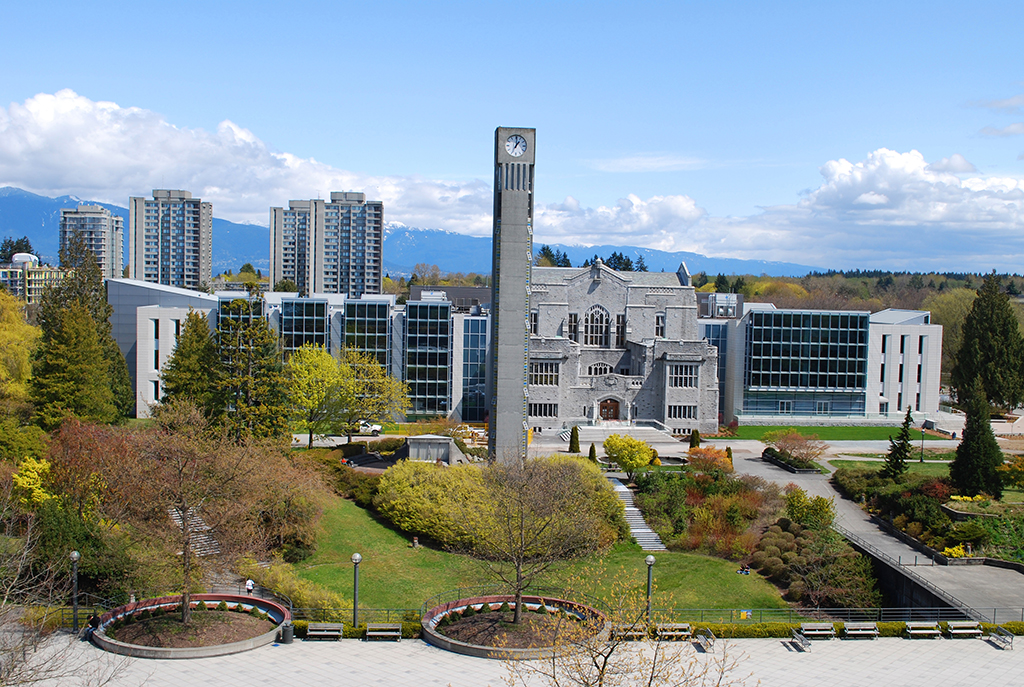
During your degree, you’ll gain valuable fieldwork experiences by working together with local municipalities. You will also have the chance to learn more about UBC’s world-class sustainable infrastructure, and use the campus as a living lab. There is also the option to take a co-op placement where you can gain paid, full-time experience in a variety of work settings and begin building a professional network before graduation.