Overview
The Masters of Engineering (M.Eng.) program is suited to students who wish to pursue a graduate degree in a non-thesis based research program.
All Courses









































Overview
The Masters of Engineering (M.Eng.) program is suited to students who wish to pursue a graduate degree in a non-thesis based research program.
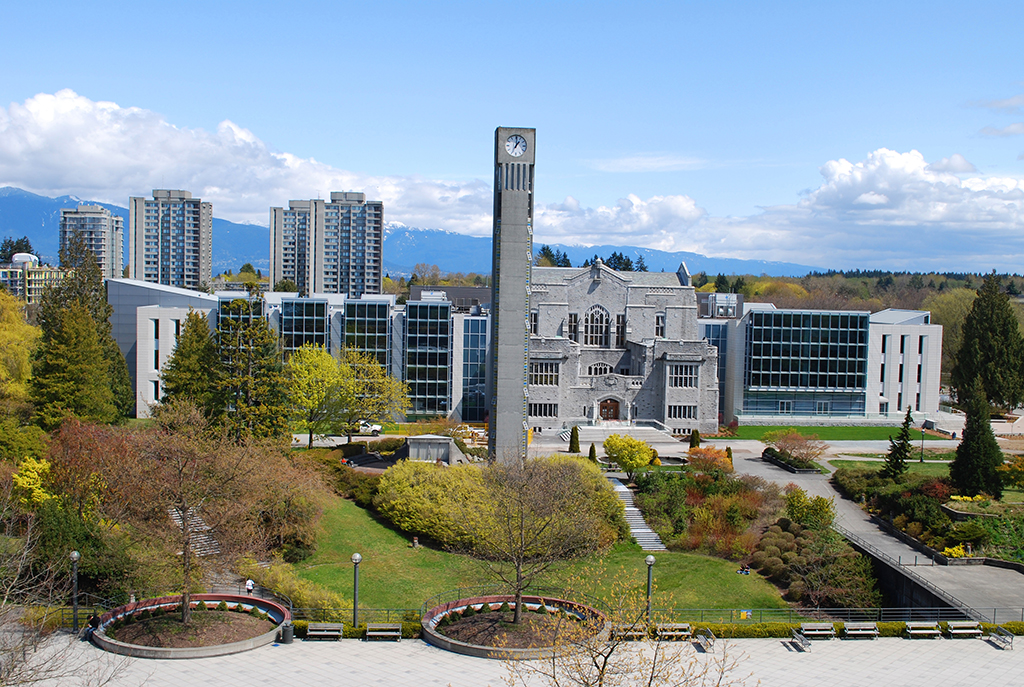
The University of British Columbia is a global centre for teaching, learning and research, consistently ranked among the top public universities in the world.
UBC embraces innovation and transforms ideas into action. Since 1915, UBC has been opening doors of opportunity for people with the curiosity, drive and vision to shape a better world.
| Fees | Canadian Citizen / Permanent Resident / Refugee / Diplomat | International |
|---|---|---|
| Application Fee | $114.00 | $168.25 |
| Tuition * | ||
| Installments per year | 3 | 3 |
| Tuition per installment | $2,234.71 | $8,369.77 |
| Tuition per year (plus annual increase, usually 2%-5%) | $6,704.13 | $25,109.31 |
| Int. Tuition Award (ITA) per year (if eligible) | Not applicable | |
| Other Fees and Costs | ||
| Student Fees (yearly) | $1,116.60 (approx.) | |
| Costs of living | Estimate your costs of living with our interactive tool in order to start developing a financial plan for your graduate studies. | |
* Regular, full-time tuition. For on-leave, extension, continuing or part time (if applicable) fees see UBC Calendar.
All fees for the year are subject to adjustment and UBC reserves the right to change any fees without notice at any time, including tuition and student fees. Tuition fees are reviewed annually by the UBC Board of Governors. In recent years, tuition increases have been 2% for continuing domestic students and between 2% and 5% for continuing international students. New students may see higher increases in tuition. Admitted students who defer their admission are subject to the potentially higher tuition fees for incoming students effective at the later program start date. In case of a discrepancy between this webpage and the UBC Calendar, the UBC Calendar entry will be held to be correct.
Applicants to UBC have access to a variety of funding options.
Employer support
Organizations may provide their employees with tuition benefits as part of an employment package to support lifelong learning of their workforce.
Scholarships & awards (merit-based funding)
Professional / course-based programs usually do not provide merit-based funding. Some programs may offer bursaries.
Financial aid (need-based funding)
Canadian and US applicants may qualify for governmental loans to finance their studies. Please review eligibility and types of loans.
All students may be able to access private sector or bank loans.
Foreign government scholarships
Many foreign governments provide support to their citizens in pursuing education abroad. International applicants should check the various governmental resources in their home country, such as the Department of Education, for available scholarships.
Working while studying
The possibility to pursue work to supplement income may depend on the demands the program has on students. It should be carefully weighed if work leads to prolonged program durations or whether work placements can be meaningfully embedded into a program.
International students enrolled as full-time students with a valid study permit can work on campus for unlimited hours and work off-campus for no more than 20 hours a week.
A good starting point to explore student jobs is the UBC Work Learn program or a Co-Op placement.
Tax credits and RRSP withdrawals
Students with taxable income in Canada may be able to claim federal or provincial tax credits.
Canadian residents with RRSP accounts may be able to use the Lifelong Learning Plan (LLP) which allows students to withdraw amounts from their registered retirement savings plan (RRSPs) to finance full-time training or education for themselves or their partner.
Please review Filing taxes in Canada on the student services website for more information.
Cost Estimator
Applicants have access to the cost estimator to develop a financial plan that takes into account various income sources and expenses.
Canada is a top destination for international students, offering world-class education, diverse cultures, and numerous career opportunities. Whether you’re interested in pursuing a master’s degree, MBA, or even MBBS, here’s everything you need to know about studying in Canada.
Whether you’re considering a master’s degree in Canada, an MBA, or other specialized programs, Canada offers a diverse range of options and a supportive environment for international students. Apply for your Canada student visa today, start planning, and take the first step towards an exciting educational journey in Canada!